Designing a custom wedding suit starts with three choices: your fabric, your fit, and your fashion details. Modern grooms work with a tailor to build a suit around their body, their wedding theme, and their personal taste not the other way around. The result is a suit that actually fits, instead of one you have to fit into.
A custom suit costs more than an off-the-rack option. But it also solves the biggest complaint grooms have about wedding suits: they never quite fit right in the shoulders, the waist, or the sleeve length. When you design your own, that problem disappears.
This guide walks you through the entire process, from picking a tailor to choosing final details like buttons and lining. You’ll know exactly what to expect and what questions to ask along the way.
Why Choose a Custom Suit Over Off-the-Rack
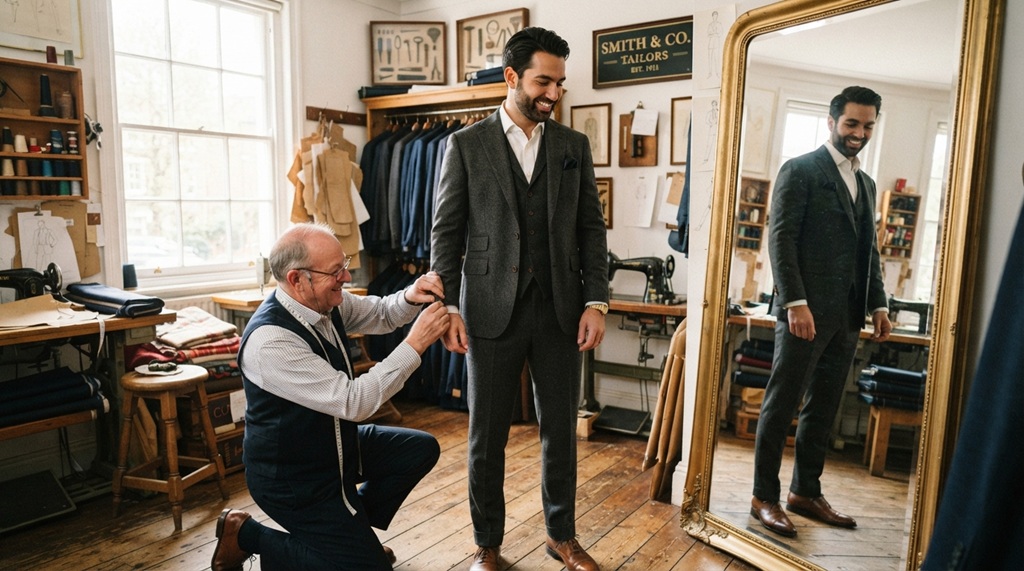
A custom suit is built to your exact measurements, so it fits your body instead of an average body size. Off-the-rack suits are made for a generic frame, then altered afterward. A custom suit skips that guesswork entirely.
Most men’s bodies don’t match standard sizing charts. You might have broader shoulders, a shorter torso, or longer arms than the “average” size your suit is cut for. A tailor accounts for these differences from the start, not as an afterthought.
Custom suits also let you control the fine details. You choose the fabric weight, the lining color, the button style, and the stitching. Off-the-rack suits give you none of that flexibility you get what’s on the rack.
The Real Cost Difference
Custom suits typically cost more upfront than store-bought options, but the gap has narrowed in recent years. Many made-to-measure services now offer custom suits at prices close to premium off-the-rack brands.
Think of it as cost-per-wear too. A well-made custom suit can be re-tailored and worn for years after the wedding to work events, other weddings, or formal occasions. A cheap rental or ill-fitting suit rarely gets worn again.
Understanding the Difference Between Made-to-Measure and Bespoke
Made-to-measure and bespoke are not the same process, even though people often use the terms interchangeably. Made-to-measure starts from an existing pattern that gets adjusted to your measurements. Bespoke builds a pattern from scratch, just for you.
Made-to-measure suits are faster to produce and generally more affordable. A tailor takes your measurements, selects the closest base pattern, and modifies it. This works well for most grooms and usually takes a few weeks.
Bespoke suits involve multiple fittings and a pattern built entirely around your body. This is the traditional Savile Row approach, and it takes longer often two to three months, sometimes more. It also costs significantly more.
For most modern grooms, made-to-measure is the practical choice. It gives you a genuinely personalized fit without the extended timeline or higher price tag that bespoke tailoring requires.
How to Choose the Right Fabric for Your Wedding Suit
Your fabric choice should match your wedding season, venue, and how long you plan to wear the suit again. Wool is the most versatile option and works for nearly any season or setting.
For spring and summer weddings, lighter fabrics keep you comfortable. Linen and lightweight wool blends breathe well in warm weather. Linen wrinkles easily, so keep that in mind if you want a crisp look in photos all day.
For fall and winter weddings, heavier fabrics add warmth and structure. Tweed and flannel are popular choices for cooler months. They also photograph beautifully against autumn or winter backdrops.
Matching Fabric to Your Venue
An outdoor garden wedding calls for a different fabric than a formal ballroom event. Lighter, more textured fabrics suit relaxed outdoor settings. Smooth, fine wool suits formal indoor venues better.
If your wedding is on a beach or in a tropical location, consider a linen-cotton blend. It handles humidity better than pure wool and still looks polished in photos.
Selecting the Ideal Fit and Silhouette for Your Body Type
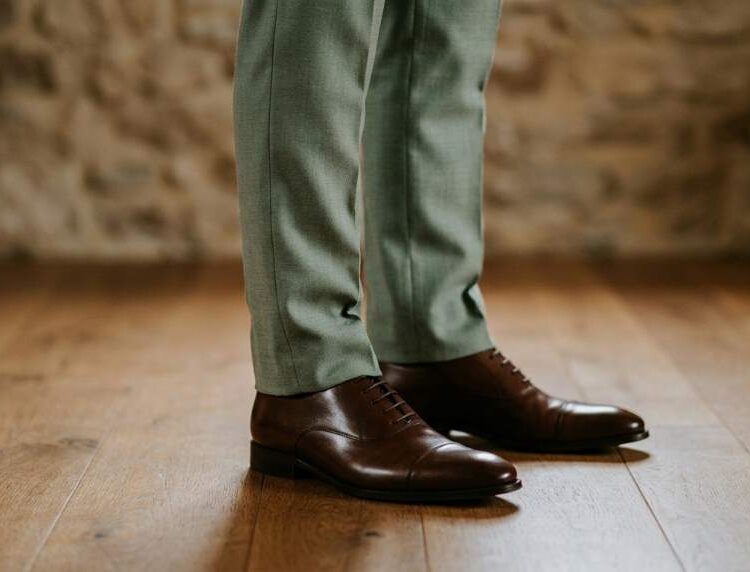
Choosing the right suit silhouette is a matter of personalized proportion rather than fleeting fashion trends. While a tapered slim-fit cut creates a sharp, streamlined aesthetic ideal for leaner builds, classic and modern silhouettes provide comfortable movement and effortless elegance across broader frames. Because a wedding day demands hours of standing, dancing, and celebrating, a master tailor will evaluate your shoulder structure, torso length, and natural posture to recommend a design that moves fluidly with you instead of merely looking striking on a hanger. During your initial fitting, request to compare structured and relaxed cuts to determine the balance between comfort and modern sophistication and if you decide to customize your suit in a trending earthy tone, ensure your look remains impeccably balanced by learning what shoes to wear with a sage green groom suit.
Jacket Length and Trouser Break
Jacket length should cover your seat and reach roughly to the middle of your palm when your arms hang naturally. A jacket that’s too short or too long throws off your entire proportions.
Trouser break refers to how the fabric falls over your shoes. A slight break creates a clean, modern look. No break where the trouser hem sits right at the shoe gives an even sharper, more tailored appearance that’s popular with modern grooms right now.
Choosing Colors and Patterns That Match Your Wedding Theme
Your suit color should complement your wedding’s color palette, season, and venue formality. Navy and charcoal remain the safest, most versatile choices for nearly any wedding setting.
Navy suits photograph well in almost any lighting and work for both daytime and evening weddings. Charcoal suits feel slightly more formal and suit indoor or evening events particularly well.
For grooms who want something bolder, deep green, burgundy, or even a soft tan can work beautifully for outdoor or destination weddings. These colors add personality without looking out of place in wedding photos.
Patterns like subtle pinstripes or herringbone weaves add texture without overwhelming the suit. Avoid bold plaids or loud patterns unless your wedding has a specifically casual or unconventional theme.
Picking the Details That Make the Suit Personal
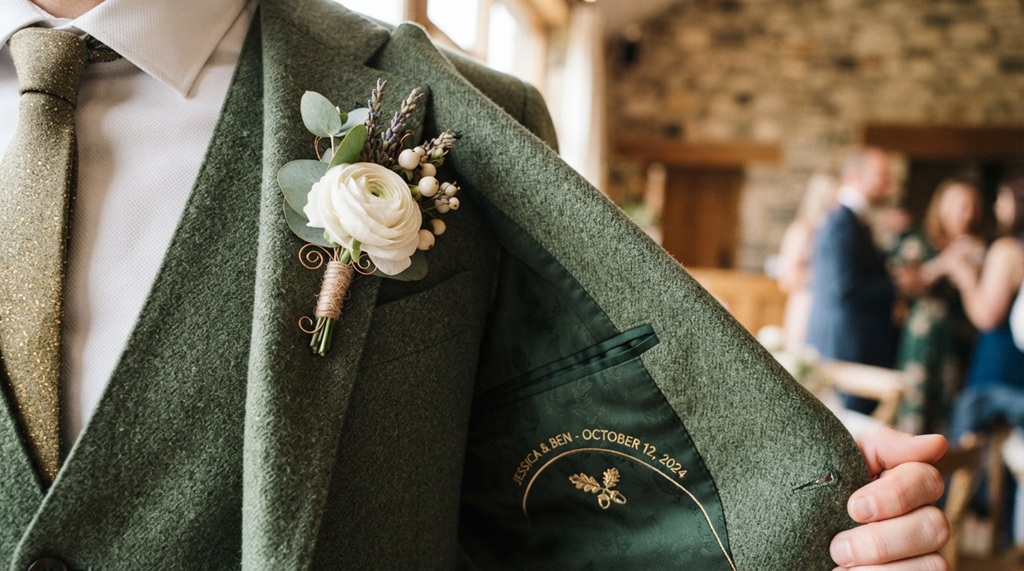
Small details separate a custom suit from an ordinary one things like buttons, lining, and monogramming. These are the elements that make a suit feel truly yours, not just well-fitted.
Lining is one of the easiest ways to add a personal touch. Many grooms choose a lining color or pattern that ties into the wedding theme, or even one that matches something sentimental, like a late grandparent’s tie pattern.
Buttons come in horn, mother-of-pearl, or metal finishes. Horn buttons are the traditional choice for formal suits and add a subtle, refined texture that plastic buttons can’t match.
A monogram stitched inside the jacket is a quiet, personal detail nobody else will see. Some grooms add their wedding date, initials, or their partner’s initials for a meaningful touch that only they know is there.
Coordinating With Your Wedding Party
If your groomsmen are also wearing suits, decide early whether you want them matching or complementary. Many modern weddings favor a coordinated look same color family, different fits or fabric textures rather than identical suits.
This approach lets you stand out slightly as the groom while keeping the overall look cohesive in photos. Talk to your tailor about ordering for your party at the same time, since some tailors offer group discounts.
Timeline: When to Start the Custom Suit Process
Start your custom suit process at least three to four months before the wedding. This gives enough time for fittings, adjustments, and unexpected delays in production or shipping.
Made-to-measure suits typically take four to eight weeks to produce after your first fitting. Add extra time for a second fitting to check the fit before the final suit is delivered.
Bespoke suits need more lead time often twelve weeks or more, since they involve multiple in-person fittings and hand construction. If you’re considering bespoke, start the process as early as six months out.
Book your final fitting no later than two to three weeks before the wedding. This gives your tailor time to make last-minute adjustments without rushing the final result.
Frequently Asked Questions
How much does a custom wedding suit cost?
Custom wedding suit prices vary widely based on fabric, tailor, and construction method. Made-to-measure suits generally start in the mid-hundreds and can go up from there depending on fabric quality and finishing details. Bespoke suits cost significantly more due to the labor-intensive process.
How many fittings does a custom suit require?
Made-to-measure suits typically need one to two fittings an initial measurement session and a final check before delivery. Bespoke suits usually require three or more fittings as the pattern gets refined by hand throughout the process.
Can I still get a custom suit if my wedding is in eight weeks?
It’s tight, but some made-to-measure tailors offer rush services for an additional fee. Call ahead and explain your timeline honestly, since not every tailor can guarantee quality work under a compressed schedule.
Should I choose the same tailor as my groomsmen?
Using the same tailor for your wedding party isn’t required, but it makes coordinating colors and fabrics easier. It can also qualify your group for a discount, so it’s worth asking before you book separately.
What’s the best fabric for a summer outdoor wedding?
Lightweight wool blends or linen-cotton mixes work best for summer outdoor weddings. They breathe better in heat and humidity than heavier wool, keeping you comfortable through the ceremony and reception.
Final Thoughts
A custom wedding suit gives you control over fit, fabric, and every small detail that makes the day feel like yours. Start early, choose a tailor you trust, and don’t rush the fitting process. The extra weeks of planning are what turn a suit into one that fits and feels exactly right on the day it matters most.