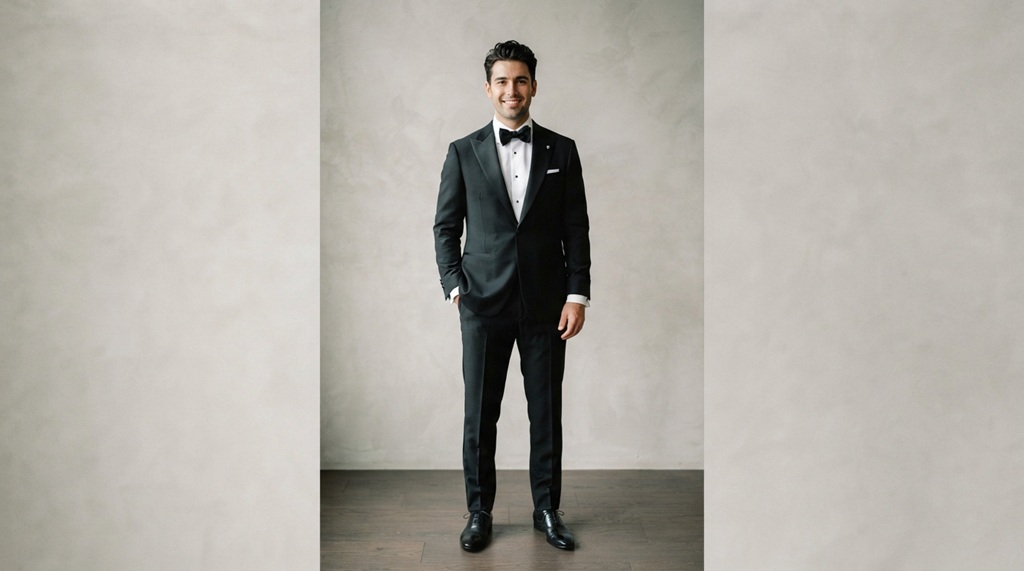
Black tie tuxedo rules for formal weddings are simple. Wear a black tuxedo jacket with matching trousers, a white dress shirt, a black bow tie, and polished black formal shoes. Add a cummerbund or waistcoat, and keep every detail clean and classic.
These rules exist for a reason. A black tie wedding is one of the most formal events you can attend. The dress code shows respect for the couple and the occasion.
This guide explains each piece of the outfit. It also covers fit, color, shoes, and common mistakes. Whether you are a guest, a groom, or a groomsman, you will know exactly what to wear.
What Is a Black Tie Dress Code at a Wedding?
A black tie dress code means formal evening wear. Men wear a tuxedo, and women wear a floor-length gown or an equally formal outfit. The couple sends a clear signal that the event is elegant and traditional.
Black tie weddings usually start in the late afternoon or evening. Traditionally, tuxedos are evening wear. A ceremony after 6 p.m. suits the dress code best, but many couples apply it to earlier events as well.
The invitation often says “black tie” in the bottom corner. If it does, take it seriously. A regular suit will look underdressed, even if it is dark and well tailored.
The Essential Black Tie Tuxedo Pieces
Every classic black tie outfit has the same core parts. Getting each one right matters more than adding extras. Here is what to include.
The Tuxedo Jacket
The jacket should be black, or very dark midnight blue. It should have satin or grosgrain facings on the lapels. These shiny lapels are what separate a tuxedo from a regular suit.
Choose a peak lapel or a shawl lapel. Both look formal and classic. Notch lapels are common on rental tuxedos, but they look more like a business suit.
Single-breasted jackets with one button are the most traditional choice. Double-breasted jackets are also correct. If you wear a single-breasted jacket, button it when you stand. Unbutton it when you sit.
The Trousers
Trousers should match the jacket in color and fabric. They should have a satin or grosgrain stripe down each outer leg. The stripe should match the jacket lapels.
Traditional tuxedo trousers have no belt loops. Instead, they use side adjusters or suspenders (braces). A belt breaks the clean line of the outfit. If your trousers have belt loops, wear suspenders instead of a belt.
The hem should rest lightly on the top of your shoes. A slight break is fine. Avoid a pile of fabric at the ankle.
The Dress Shirt
Wear a crisp white dress shirt made for formal wear. A turndown collar is the modern standard. A wing collar is more traditional and works best with a bow tie.
The front can be plain, pleated, or piqué (a fine textured weave). Many formal shirts use French cuffs. These need cufflinks, which add a nice touch. Studs replace buttons on the shirt front on the most formal styles.
Make sure the shirt is freshly pressed. Wrinkles stand out on a white shirt.
The Bow Tie
A black bow tie is the correct choice. Silk is best, and a self-tie bow tie looks the most refined. A pre-tied version is acceptable, but it can look flat and uniform.
A long necktie does not belong with a tuxedo. Neither do colored or patterned ties at a strict black tie event. Save those for a different dress code.
The Waistcoat or Cummerbund
A waistcoat or cummerbund covers the waist and hides the shirt and trouser line. Choose one, not both. Both are correct, but only one should appear on any outfit.
If you wear a cummerbund, place the pleats facing up. Tradition says they once held theater tickets. Match the fabric to your bow tie for a polished look.
Shoes, Socks, and Accessories
Black patent leather oxfords are the classic shoe. Highly polished black leather oxfords also work well. Opera pumps are a traditional option, though they are less common today.
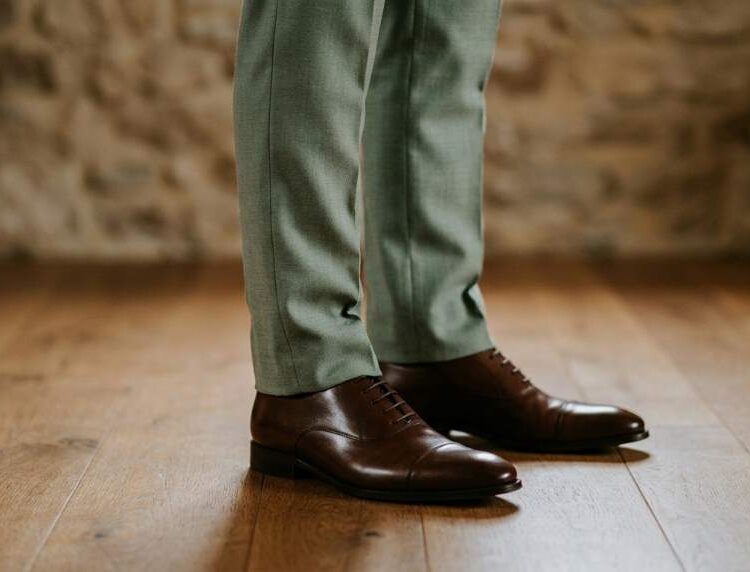
Wear black silk or fine cotton socks. They should be long enough that no skin shows when you sit. Brown shoes, loafers with tassels, and sneakers do not fit a black tie dress code.
For accessories, keep things simple. Cufflinks, a white pocket square, and a dress watch are enough. A plain, slim watch looks better than a large sports watch.
Colors, Fabrics, and Tailoring Guidelines
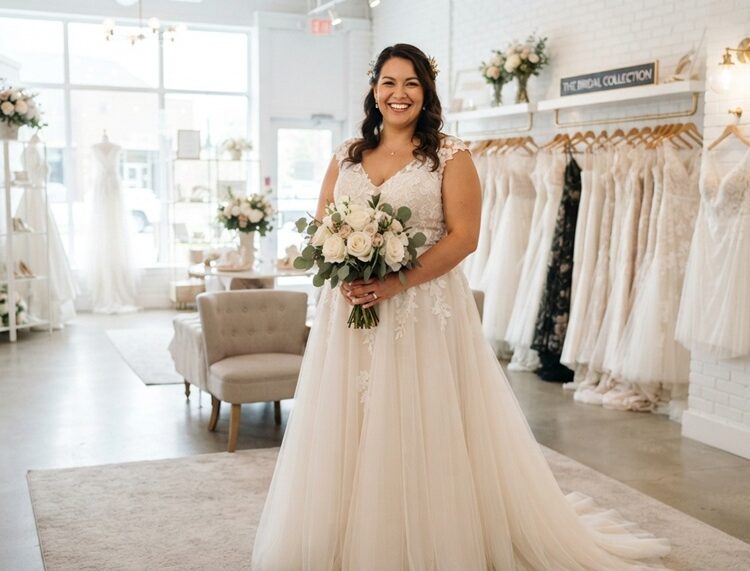
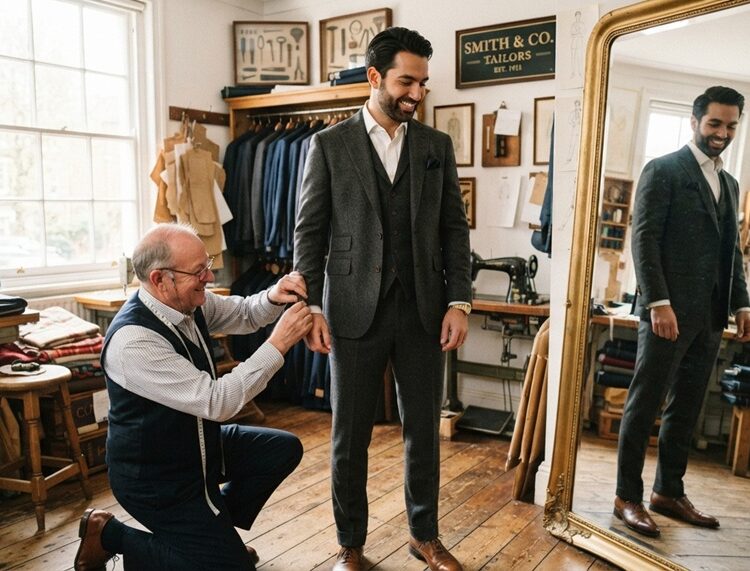
Classic black and deep midnight blue remain the gold standards for formal black-tie weddings the latter often photographing with a richer, darker depth under evening light. A finely woven wool with a subtle, smooth sheen provides the cleanest silhouette, though plush velvet dinner jackets offer a refined alternative for winter celebrations. Perfect execution relies heavily on precise tailoring: shoulder seams must align cleanly, jacket sleeves should reveal a half-inch of crisp shirt cuff, and trousers must drape effortlessly without bunching over polished dress shoes. Whether opting for a bespoke suit or a tailored rental, ensuring an exact fit elevates the entire presentation, and while mastering formal menswear establishes an effortless baseline for the groom and groomsmen, harmonious coordination across the entire wedding party creates a truly elevated aesthetic meaning those seeking complementary bridal options can seamlessly explore our curated guide on where to shop the best plus size wedding dress styles to complete a flawless wedding aesthetic.
Black Tie vs. Black Tie Optional vs. White Tie
Black tie is more formal than cocktail attire and less formal than white tie. Knowing the difference helps you avoid over- or underdressing.
Black tie optional means a tuxedo is welcome but not required. Guests may wear a dark suit with a tie instead. If you own a tuxedo, wearing it is always a safe choice.
White tie is the most formal dress code of all. Men wear a black tailcoat, a white waistcoat, and a white bow tie. It is rare at weddings, but it does appear at very formal or royal events.
Some couples also say “creative black tie.” This allows small personal touches, such as a velvet jacket or a colored bow tie. When in doubt, ask the couple or read their wedding website.
What the Groom and Groomsmen Should Wear
The groom follows the same black tie rules as guests, but he can stand out slightly. A different lapel, a special boutonniere, or a distinct waistcoat can set him apart. He should still stay within the formal style.
Groomsmen usually match each other. Matching jackets, trousers, shirts, and bow ties create a unified look. The couple may add one small difference, such as a pocket square color, to tie in the wedding palette.
The groom often selects the wedding party’s clothing early. He should confirm sizes at least two months before the wedding. Renting is common, and many shops offer group discounts.
A white dinner jacket is a traditional option in warm climates or summer weddings. It is worn with black trousers and a black bow tie. Only choose it if the couple has approved it.
What Guests Should Wear
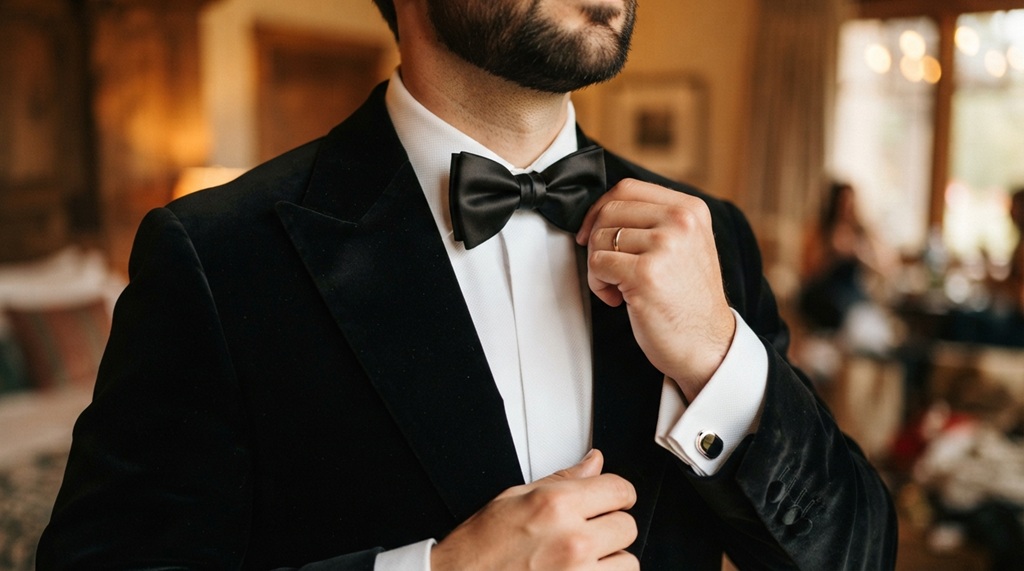
Male guests should wear a black tuxedo, white shirt, black bow tie, and black formal shoes. Female guests should wear a floor-length gown, an elegant evening dress, or a dressy jumpsuit. The goal is to look formal without competing with the couple.
Women should avoid white, ivory, and cream. These colors are traditionally reserved for the bride. Very bright, attention-seeking outfits may also draw the wrong kind of notice.
Different cultures have their own formal wedding clothing. Traditional garments, such as a kilt in Scottish tradition or a barong Tagalog in the Philippines, may fit a black tie event. Do not assume one style suits every culture. If you are unsure, check with the couple or a family member.
Common Black Tie Mistakes to Avoid
The biggest mistake is wearing a business suit instead of a tuxedo. Another is choosing the wrong shoes. Even a perfect tuxedo looks off with scuffed or casual footwear.
Watch out for these common errors:
- Wearing a long tie or a colored tie with a tuxedo
- Wearing a belt with trousers made for suspenders
- Wearing both a waistcoat and a cummerbund
- Choosing a shirt with a button-down collar
- Skipping a pressed shirt or polished shoes
- Wearing a poor fit, such as sleeves that are too long
Finally, avoid showing off. Black tie is about elegance and restraint. A clean, well-fitted tuxedo will always look better than a busy or trendy one.
Frequently Asked Questions
Can I wear a regular black suit to a black tie wedding?
A black suit is not the same as a tuxedo, and it is best to avoid it. Suits lack satin lapels and the formal trouser stripe. If you cannot get a tuxedo, a very dark, well-fitted suit is a distant second choice.
Do I have to wear a bow tie at a black tie wedding?
Yes, a black bow tie is the traditional choice. A long tie is not correct for black tie. If the invitation says “black tie optional,” you have more flexibility.
Is a midnight blue tuxedo acceptable?
Yes, midnight blue is a respected alternative to black. It appears deep and rich under evening light. Pair it with a black bow tie and black shoes for a classic look.
What shoes go with a black tie tuxedo?
Patent leather oxfords are the classic pick. Polished black leather oxfords are also correct. Avoid brown shoes, casual loafers, and sneakers.
Can women wear pants to a black tie wedding?
Yes, a formal jumpsuit or elegant evening trousers can work. Choose luxe fabrics such as crepe or satin. Add dressy accessories to match the level of formality.
Conclusion
Black tie tuxedo rules for formal weddings come down to a few key points. Wear a black or midnight blue tuxedo, a crisp white shirt, a black bow tie, and polished formal shoes. Then check the fit and keep accessories simple.
Before the big day, try on your full outfit. Check the shirt, shoes, and accessories together. That way, you will arrive confident, comfortable, and ready to celebrate.