
Weddings are a celebration of love, but they can also drain your finances fast. According to The Knot’s Real Weddings Study, the average wedding in the U.S. costs $30,000. That number can feel overwhelming, especially for young couples managing student loans, rent, or new careers. The good news? Planning a stunning wedding on a budget is not only possible—it’s smart and empowering.
This guide breaks down exactly how to plan a wedding on a budget with real strategies, proven advice, and fresh perspectives from people who’ve done it. Let’s turn that Pinterest board into reality—without the debt.
-
Set a Realistic Budget and Stick to It
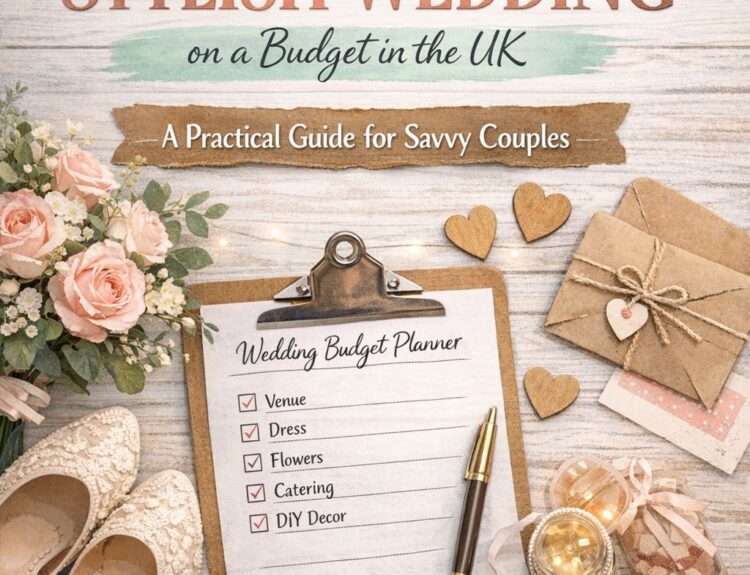
Start by deciding how much you can actually afford to spend. This number isn’t just pulled from thin air—it should reflect your current financial situation and any contributions from family. Experts recommend using a spreadsheet to break down costs.
Budgeting Tip: Allocate 50% for venue and catering, 10% for attire, 10% for photography, 10% for entertainment, and 20% for everything else. Prioritize what matters most to you.
-
Trim the Guest List
Fewer guests mean fewer chairs, fewer plates, and more savings. Trimming the guest list is one of the most effective ways to lower costs without sacrificing experience.
Here’s the logic: If your cost per guest is $100 and you cut 30 guests, you’ve just saved $3,000. Keep your list intimate with only close friends and family. Don’t feel obligated to invite every coworker or distant cousin.
-
Choose Off-Peak Dates
Popular wedding months like June, September, and October can double the price of venues and services. Instead, consider getting married in January, March, or on a weekday.
According to Brides.com, couples who opt for weekday weddings often save 30% or more on venue fees. Vendors may offer better deals during their slow season, and you’ll have more availability to choose from.
-
Consider Non-Traditional Venues
Think outside the ballroom. Public parks, backyards, art galleries, or even Airbnb properties can serve as beautiful backdrops.
For example, a backyard wedding can save you thousands in venue rental fees. Just ensure you budget for rentals like tents, chairs, and bathrooms if needed.
-
DIY Decor and Invitations
Pinterest is your friend—but don’t just browse, act on it. DIY centerpieces, handmade invitations, or thrifted décor can save hundreds. Gather your bridal party for a craft day—it doubles as bonding time and a money-saver.
According to Insider, DIY wedding invitations can cost as little as $1 per set compared to $5+ for professionally printed ones.
-
Skip the Traditional Meal Format
Plated dinners are elegant but expensive. Buffets, brunches, or food trucks can create a fun and relaxed vibe at half the cost.
A taco bar or pasta station brings energy and custom options while cutting catering costs dramatically. Always get multiple quotes and ask vendors for budget-friendly alternatives.
-
Rethink the Dress
Yes, you want to feel like royalty—but that doesn’t mean paying full retail. Consider sample sales, trunk shows, secondhand gowns, or renting.
Sites like Stillwhite.com and Nearly Newlywed offer gently worn designer gowns at 40–70% off retail prices. Most guests won’t even know the difference, and you’ll look incredible regardless.
-
Cut Costs on Entertainment
Live bands are amazing but often cost $3,000 or more. Consider a talented local DJ or even a curated Spotify playlist with rented speakers.
This option offers flexibility and still sets the mood. Ensure someone manages transitions and toasts to keep the flow smooth.
-
Limit the Bar
Open bars can consume a quarter of your budget. Offer a signature cocktail, wine, and beer instead. It reduces cost and still feels curated.
You can even BYOB if your venue allows it. That alone can save thousands.
-
Borrow Instead of Buy
From décor to accessories, borrow what you can. Bridesmaid dresses can be mismatched but within a palette, allowing them to wear something they already own.
Borrow veils, hairpieces, and even cake stands from friends or family members. They’ll be honored to be part of your big day in a meaningful way.
-
Hire a Coordinator, Not a Planner
Full-service planners charge between $2,000 and $10,000. But hiring a day-of coordinator typically costs less than $1,000 and ensures your timeline stays intact.
This hybrid approach gives you structure without the full-service price tag.
-
Use Digital Tools
Wedding websites, digital RSVPs, and online guest list trackers reduce both cost and stress. Sites like Zola and The Knot offer free tools to organize everything from seating charts to registry.
They also offer perks and discounts for items like invitations or vendors.
-
Be Ruthless with the “Must-Haves”
Take a hard look at what’s truly important. Do you need a champagne tower? A photo booth? If it doesn’t add to the experience, skip it.
Being mindful of every choice helps keep spending aligned with your values and priorities. You want memories, not regrets.
Real Example: Anna and Jake’s $7K Backyard Wedding
Anna and Jake, a couple from Ohio, planned their entire wedding on a $7,000 budget. They hosted 50 guests in a family backyard, cooked homemade Italian food, rented tables, and hired a local photography student. The result? A heartfelt, beautiful wedding—debt-free and unforgettable.
Frequently Asked Questions
Can you really plan a wedding under $10,000?
Yes, especially if you prioritize spending, limit guests, and use non-traditional venues or DIY elements.
What is the biggest wedding expense?
The venue and catering typically take up the largest chunk, often 40-50% of the total budget.
Is it cheaper to have a destination wedding?
It depends. While fewer guests may attend, travel and logistics can offset savings unless carefully planned.
How far in advance should I start planning on a tight budget?
Start 12–18 months ahead. It gives you time to research, save, and lock in better deals.
Should I tell vendors I’m on a budget?
Yes. Many vendors can customize packages or offer alternatives that work within your budget.
What’s the best way to save on flowers?
Go seasonal and local. Or use greenery, bulk grocery store blooms, or even faux arrangements.
Is it okay to skip wedding favors?
Absolutely. Most guests won’t miss them, and it’s better to invest that money in the guest experience.
Read More Also: Essential Wedding Services Every Couple
Final Thought
Planning a wedding on a budget isn’t about settling—it’s about being intentional. When you strip away excess and focus on what matters, you get something better than extravagant: meaningful. Weddings aren’t defined by price tags; they’re defined by love, joy, and celebration.
The smartest weddings aren’t the most expensive—they’re the most personal. So, start with what you love, spend wisely, and celebrate fully. You’ve got this.