Your wedding day is a whirlwind of emotions, fleeting moments, and once-in-a-lifetime memories. Capturing those moments perfectly depends heavily on one key decision—how to choose the right wedding photographer. This decision can elevate your entire experience or leave you with regret every time you look at your wedding album. So, how do you ensure you’re making the right choice? Here’s a comprehensive, no-nonsense guide backed by expert opinions, real-world insights, and essential facts to help you decide with clarity and confidence.
Why the Right Photographer Matters More Than You Think

According to a 2024 survey by The Knot, 91% of couples considered photography among the top three most important wedding services. That’s no surprise. While the cake gets eaten and the dress gets boxed up, the photographs last forever. They’re a time capsule for your emotions, fashion, guests, and moments.
Choosing someone with the right style, approach, and personality is crucial. Photographers don’t just snap pictures—they tell stories. Your story.
Define Your Photography Style First
Before diving into portfolios and prices, identify the photography style you love. Are you drawn to airy, romantic visuals or rich, dramatic tones? Do candid shots speak to you more than posed portraits?
Common wedding photography styles include:
- Photojournalistic: Natural, documentary-style storytelling.
- Traditional: Classic, posed, timeless photos.
- Editorial: Fashion-inspired, dramatic visuals.
- Fine Art: Artistic, light-focused, and often film-based.
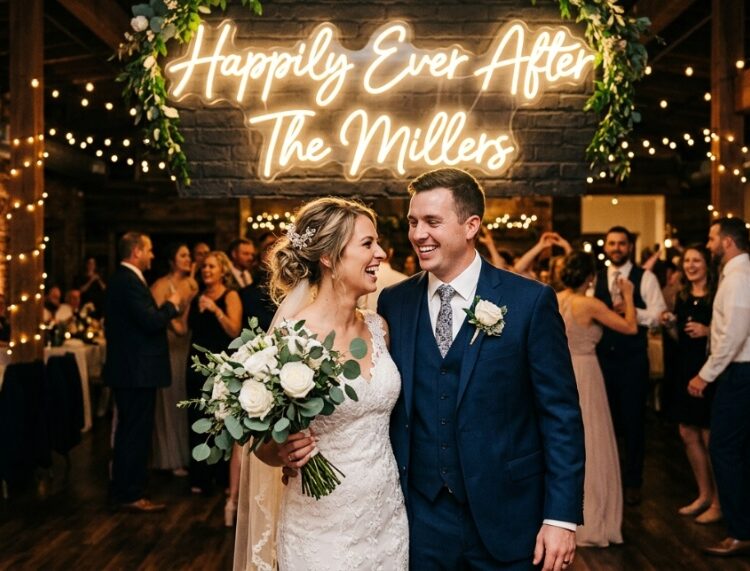
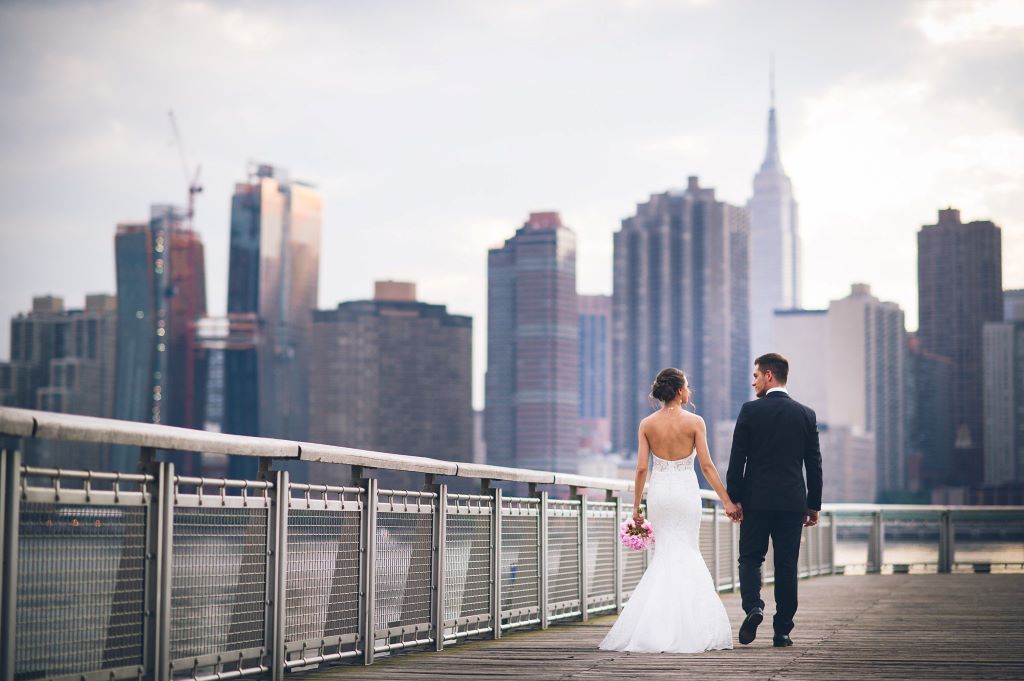
Each style sets a different tone. A photojournalistic photographer may capture unscripted, emotional moments, while an editorial one adds flair and drama. Knowing your style narrows your choices significantly and aligns expectations.
Analyze Their Portfolio Critically
Don’t get blinded by highlight reels. Dig deeper into full wedding galleries. You want consistency, not just a few golden shots. Do they handle different lighting conditions well? Are group shots as strong as solo portraits?
Photographer Jenna Kutcher advises looking at rainy-day weddings in portfolios. This shows how adaptable they are. Lighting changes, schedules shift—your photographer must adapt seamlessly, not struggle.
Compare portfolios across three weddings minimum. Focus on composition, emotion, storytelling, and diversity. Does every image evoke feeling or fall flat?
Consider Experience and Venue Familiarity
An experienced photographer brings more than technical skill. They handle chaos with calm, guide shy guests, and even fix veils or re-pin boutonnières.
But here’s the kicker: experience with your venue type matters. Someone used to shooting beach weddings may struggle in low-lit cathedrals. Ask if they’ve worked at your venue or a similar one. They may already know the best angles, lighting times, and hidden photo spots.
Chemistry Is Crucial: Meet Them in Person
You’ll spend more time with your photographer on your wedding day than your spouse. Connection is non-negotiable. Are they calm under pressure? Do they listen or interrupt? Do you feel comfortable being yourself around them?
A trial engagement session can be a great test run. It allows you to gauge their direction style and how naturally you interact.
Don’t ignore gut instinct here. If you feel uneasy during the meeting, don’t move forward. Energy and communication matter more than price tags.
Understand the Contract Details
This part isn’t glamorous, but it’s vital. A professional photographer will provide a detailed contract outlining:
- Deliverables: How many edited photos, albums, etc.
- Timelines: When you’ll receive your gallery.
- Usage rights: Can you print, post, or edit the photos?
- Backup plan: What if they fall ill or lose data?
Don’t hesitate to ask about second shooters. According to WeddingWire, 74% of couples hired photographers who worked in teams. A second shooter ensures more coverage, especially for large weddings or split locations.
Balance Budget and Value Wisely
Photography can cost anywhere between $2,500 to $10,000 depending on location, experience, and deliverables. This isn’t the category to cut corners. You’re investing in memories, not just pictures.
That said, understand what you’re paying for. Does the package include prints, albums, engagement sessions, or travel? Price transparency should be clear. If someone is far below market rates, it could indicate inexperience or lack of equipment.
Read Reviews With a Grain of Salt
Online reviews are helpful, but not foolproof. Look for patterns in praise and complaints. Are they consistently late delivering photos? Or do clients rave about their calming presence?
Ask for references you can contact. Hearing directly from past clients adds real-world perspective. Trust is built through transparency, not just glowing testimonials.
Real Solutions for Common Pain Points
- Worried about being camera-shy? Choose a photographer who specializes in documentary or candid styles. They’ll capture real moments without forced poses.
- Concerned about missing key shots? Request a shot list. Professional photographers will ask for one, ensuring no missed moments.
- Anxious about weather? Ask what backup gear they carry—especially for lighting and rain. Pros are always prepared.
FAQs: How to Choose the Right Wedding Photographer
How early should I book my wedding photographer?
Ideally, 9-12 months in advance. Top professionals get booked quickly, especially in peak seasons.
Can I negotiate pricing with a photographer?
Yes, but respectfully. Instead of asking for discounts, ask if they offer custom packages that fit your budget.
Should I hire a friend who takes good photos?
Unless they’re a professional with wedding experience, this is risky. Weddings are fast-paced, high-pressure events.
What’s a second shooter and do I need one?
A second shooter captures moments from another angle. They’re invaluable for large weddings or multiple locations.
How long will it take to get my photos?
Turnaround time varies, but 4-8 weeks is standard. Clarify this in the contract to avoid confusion.
Do I need to feed my photographer?
Yes, especially if they’re working over 6 hours. A fed photographer is a focused photographer.
Can I request specific editing styles?
You can, but only within reason. Choose someone whose natural editing already aligns with your vision.
Read More Also: Wedding Photography Poses & Ideas
Final Thought
Choosing the right wedding photographer is about more than technical skill. It’s about connection, trust, and vision. You’re not just hiring someone to take pictures—you’re trusting them to preserve your most intimate, unrepeatable moments. Approach this decision with the same care and attention you give to your vows. Do your homework, trust your instincts, and invest wisely.
When the flowers wilt and the guests go home, your photos remain. Make sure they’re everything you dreamed of—and more.