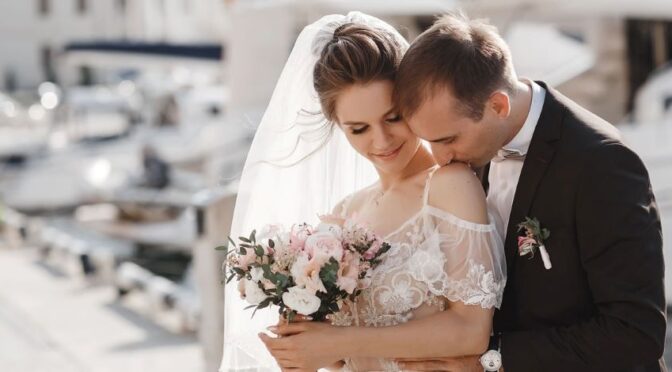
Planning a wedding is a significant milestone, blending dreams, logistics, and emotions. Real couples have navigated this journey, offering insights into creating unforgettable celebrations. Here’s how they transformed their visions into reality.
Embracing Personalization Over Tradition
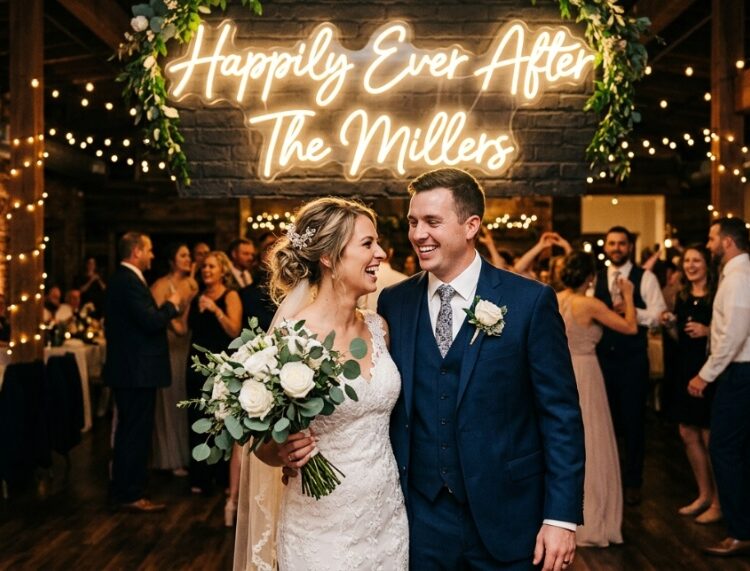
Modern couples prioritize authenticity, crafting weddings that reflect their unique stories. Connor Kuratek and Peter McConaghy, for instance, merged New York sophistication with Nantucket’s charm, hosting a black-tie beach wedding complete with handwritten notes for each guest. Similarly, Dominic Calvert-Lewin and Sandra Jerze opted for an intimate London ceremony, emphasizing family and spontaneity over grandeur.
Strategic Budgeting and Prioritization
Budgeting remains a top challenge. According to The Knot, 53% of couples exceed their initial budget by approximately one-third . Mishella and Oscar managed costs by hosting a casual backyard party, choosing a DJ over a band, and skipping the traditional cake-cutting ceremony. Others, like Hannah and John, DIYed certain elements to allocate funds to essential vendors.
Collaborative Planning and Communication
Effective communication is vital. Some couples establish weekly “wedding planning dates,” turning the process into a bonding experience. Tools like shared spreadsheets help track expenses and tasks, ensuring both partners stay informed and involved.
Incorporating Cultural and Personal Elements
Integrating cultural traditions adds depth. Elisa Crutchfield and Angad Aulakh’s wedding in Rome combined Catholic and Sikh ceremonies, honoring both heritages. Joel Kim Booster and John-Michael Sudsina embraced their unique relationship dynamics, planning unstructured Halloween bachelor parties that reflected their personalities.
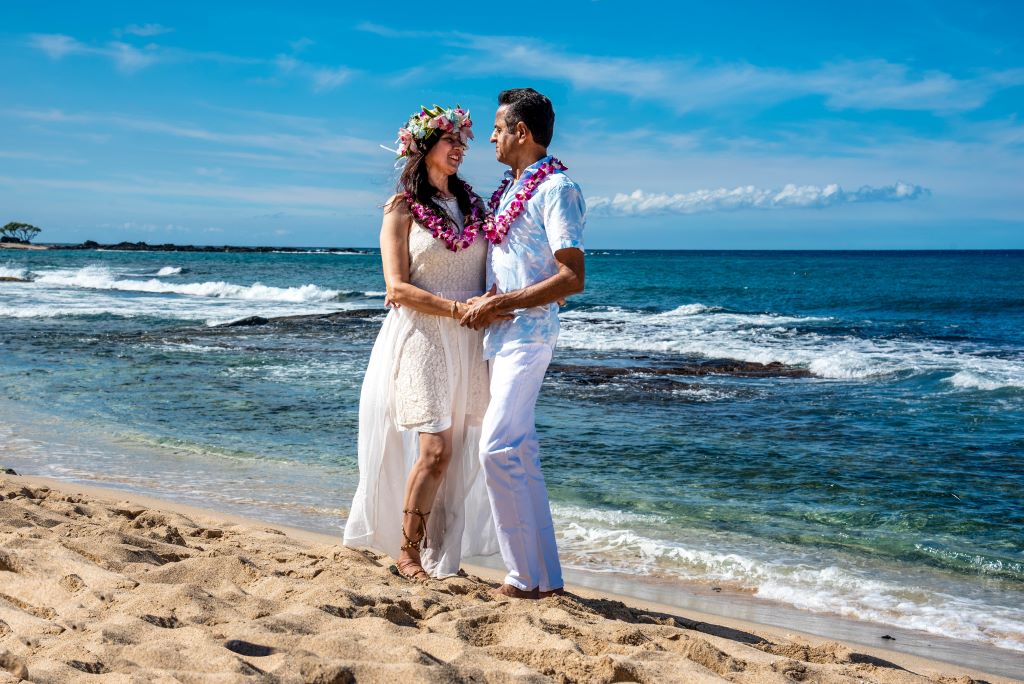
Leveraging Technology for an Organization
Personal wedding websites have become indispensable. They offer centralized platforms for RSVPs, itineraries, and registries, enhancing guest communication and reducing logistical stress.
Expert Tips for Aspiring Couples
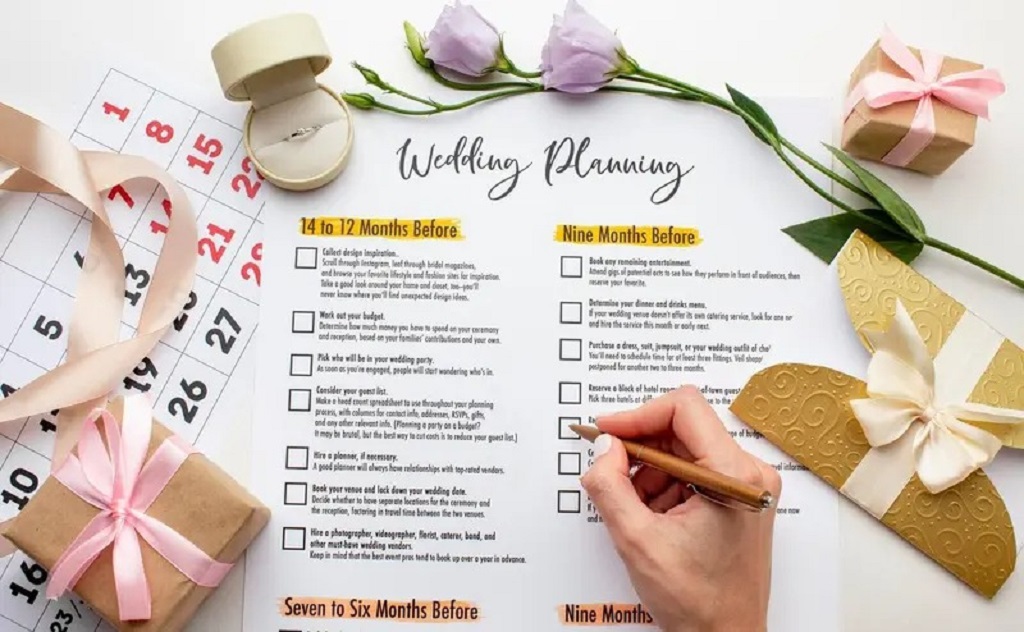
- Start Early: Begin planning 12-18 months in advance to secure preferred vendors and venues.
- Define Priorities: Identify non-negotiables and allocate budget accordingly.
- Stay Flexible: Be prepared to adapt plans as needed, focusing on the bigger picture.
Featured Snippet: How Can Couples Balance Tradition and Personalization in Wedding Planning?
Balancing tradition with personalization involves intentional choices that honor heritage while reflecting individual identities. Couples can achieve this by selecting meaningful rituals, customizing ceremonies, and incorporating cultural elements that resonate with their values. For example, blending different religious practices or choosing attire that reflects cultural backgrounds can create a harmonious fusion. Open communication with family members ensures respect for traditions while allowing space for personal expression. Ultimately, the goal is to craft a celebration that feels authentic and inclusive.
FAQs
Q1: How far in advance should we start planning our wedding?
Begin planning 12 to 18 months ahead to secure venues and vendors, especially during peak seasons.
Q2: What are effective budgeting strategies for weddings?
Prioritize essential elements, track expenses meticulously, and be open to DIY options to manage costs.
Q3: How can we personalize our wedding ceremony?
Incorporate elements that reflect your relationship, such as personalized vows, cultural traditions, or unique rituals.
Q4: What tools can assist in wedding planning?
Utilize personal wedding websites, budgeting spreadsheets, and planning apps to stay organized and informed.
Q5: How do we handle differing family expectations?
Engage in open dialogues, set clear boundaries, and find compromises that respect both family traditions and personal preferences.
Q6: Is hiring a wedding planner necessary?
While not essential, a planner can alleviate stress, offer expertise, and ensure smooth execution, especially for larger events.
Q7: How can we make our wedding eco-friendly?
Opt for sustainable options like digital invitations, local vendors, and eco-conscious decor to minimize environmental impact.
Final Thoughts
Real couples demonstrate that with thoughtful planning, clear communication, and a focus on authenticity, creating a dream wedding is attainable. By prioritizing what truly matters and embracing flexibility, couples can craft celebrations that are both memorable and meaningful.
Read More: Best Wedding Photography Poses & Ideas for Stunning Shots