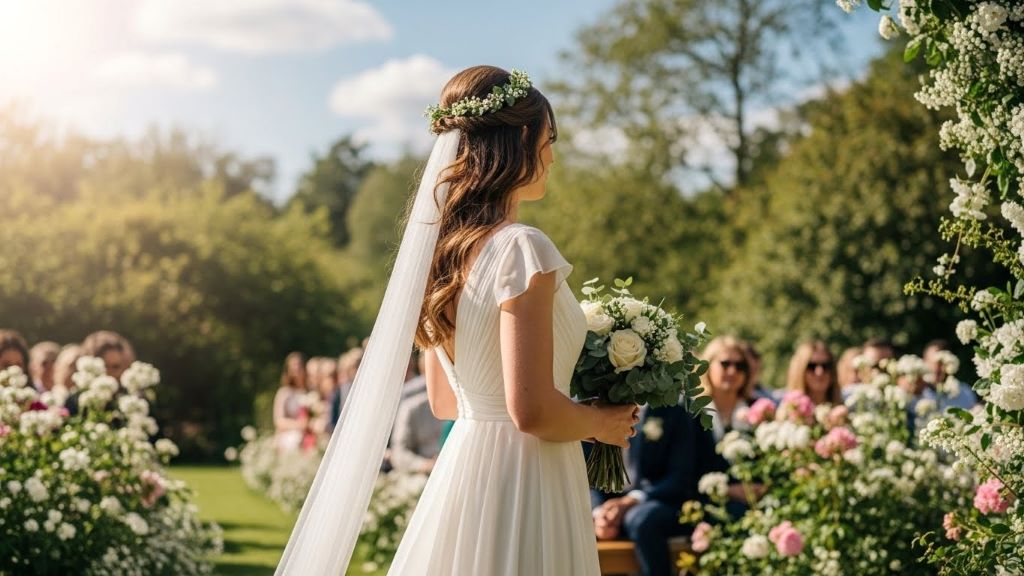
Your wedding day involves hours of standing, sitting, and celebrating. Choosing a dress that maintains its beauty throughout the ceremony matters significantly. Chiffon has become a popular fabric choice for brides who want elegance without excessive maintenance concerns.
This lightweight material offers unique benefits for extended wedding events. Understanding how chiffon behaves during long ceremonies helps brides make informed decisions about their wedding attire.
What Makes Chiffon Different from Other Wedding Fabrics
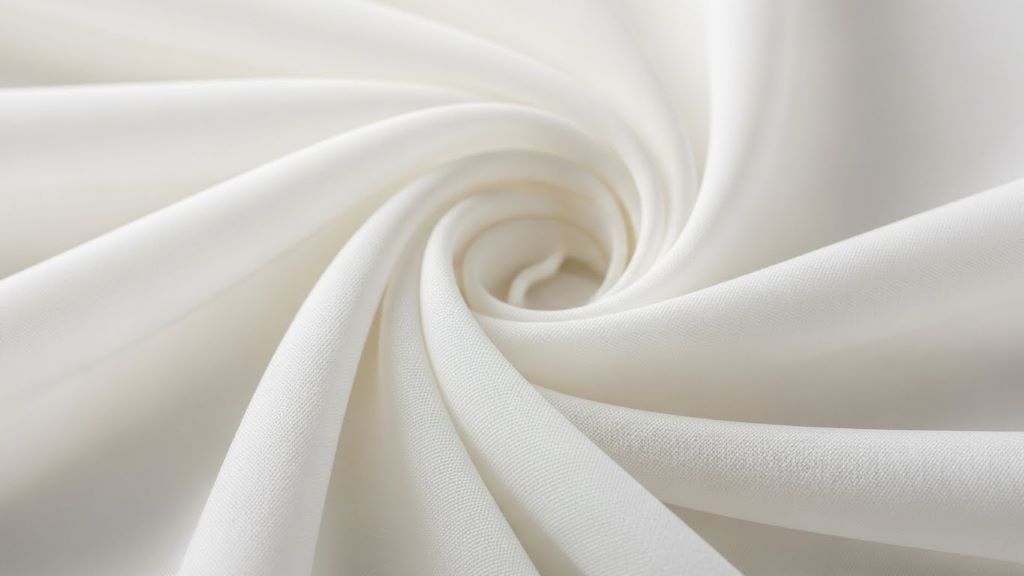
Chiffon stands out among wedding dress materials due to its distinctive characteristics. This sheer, lightweight fabric consists of highly twisted yarns that create a slightly rough texture. The weaving technique produces a delicate appearance while maintaining surprising durability.
Unlike satin or taffeta, chiffon drapes naturally without creating harsh creases. The fabric’s open weave allows air to circulate freely. This quality helps the material breathe during warm ceremonies or outdoor celebrations.
Additionally, chiffon comes in silk, polyester, and nylon variations. Each type offers different levels of wrinkle resistance and price points. Polyester chiffon typically resists wrinkles better than silk versions.
How Chiffon Handles Wrinkles Compared to Traditional Fabrics
Traditional wedding fabrics often show every fold and crease. Satin develops sharp wrinkle lines when compressed. Organza can hold unwanted creases stubbornly. However, chiffon behaves differently under pressure.
The fabric’s loose weave prevents deep wrinkles from forming. When compressed, chiffon tends to show soft gathering rather than defined lines. These gentle folds often appear intentional rather than problematic.
Furthermore, body heat naturally helps release minor wrinkles in chiffon. As you move throughout your ceremony, the fabric relaxes and smooths itself. This self-correcting quality makes chiffon particularly suitable for events lasting several hours.
According to Martha Stewart Weddings, lighter fabrics generally maintain their appearance better during extended wear compared to heavier materials.
The Science Behind Chiffon’s Wrinkle Recovery
Understanding why chiffon resists permanent wrinkles involves examining its structure. The highly twisted yarns create elastic properties within the fabric. These properties allow the material to return to its original shape after compression.
The fabric’s thinness also contributes to wrinkle resistance. Thicker materials hold creases more stubbornly. Chiffon’s delicate weight means less pressure creates folds in the first place.
Moreover, the open weave permits moisture to escape quickly. Trapped moisture often sets wrinkles in other fabrics. Chiffon’s breathability prevents this moisture retention problem.
Temperature plays a role as well. The fabric responds to warmth by relaxing. Your body heat during a ceremony provides gentle, continuous pressing that keeps the dress smooth.
Best Practices for Hanging Your Chiffon Wedding Dress
Proper storage before your wedding significantly impacts how your dress looks. Hanging methods affect wrinkle formation overnight or during transportation. Use padded hangers that distribute weight evenly across the shoulders.
Avoid wire hangers that create pressure points. These can leave permanent marks on delicate chiffon. Instead, choose wide, curved hangers designed specifically for formal wear.
Additionally, hang your dress in a location with adequate space. Crowding causes unwanted creases. The dress should hang freely without touching walls or other garments.
Steam from a bathroom shower can help release any storage wrinkles. Hang the dress in the bathroom while running hot water for ten minutes. Keep the dress away from direct water contact.
Managing Wrinkles During the Ceremony Itself
Long ceremonies test any wedding dress. Sitting during readings or speeches creates natural compression. Movement during photo sessions adds additional stress to fabric. Therefore, strategic management helps maintain your dress’s appearance.
Choose chairs without arms when possible. Armrests restrict movement and increase fabric bunching. Open seating allows your dress to drape naturally while seated.
Furthermore, coordinate with your photographer about timing. Take formal portraits early when the dress looks freshest. Save casual, candid shots for later in the celebration.
Consider your venue’s seating arrangements during planning. Cushioned chairs create less wrinkling than hard surfaces. Discuss seating options with your wedding planner if wrinkles concern you significantly.
Transportation Tips to Minimize Creasing
Moving your dress from home to venue requires careful planning. Poor transportation choices create wrinkles that prove difficult to remove. Garment bags provide essential protection during travel.
Lay the dress flat in your vehicle when possible. Hanging dresses in cars often leads to sliding and bunching. A flat surface with minimal folds preserves the fabric’s smooth appearance.
Additionally, transport your dress separately from other items. Piling luggage or decorations on top creates compression wrinkles. Dedicate space specifically for the dress during transport.
Arrive at your venue with time to spare. Rushing increases stress and reduces time for final adjustments. Extra minutes allow you to address any transportation-related wrinkles calmly.
The Role of Dress Construction in Wrinkle Prevention
Your dress’s design affects how well it resists wrinkles. Multiple layers of chiffon create dimension while distributing stress. A-line silhouettes minimize sitting-related creases compared to fitted styles.
Seam placement impacts wrinkle formation as well. Strategic seaming provides structure that helps fabric maintain shape. Quality construction includes proper interfacing in key areas.
Moreover, lining choices matter significantly. Appropriate underlayers support chiffon without adding bulk. The right combination prevents both wrinkling and transparency issues.
According to, working with experienced seamstresses ensures proper construction techniques that enhance wrinkle resistance.
Steaming Versus Ironing for Quick Fixes
Pre-ceremony touch-ups may become necessary despite precautions. Choosing the correct method prevents fabric damage. Steaming provides the safest option for chiffon maintenance.
Steamers work at a distance from the fabric. This gap prevents direct heat damage while releasing wrinkles effectively. Hold the steamer several inches away and use gentle, sweeping motions.
Avoid traditional ironing when possible. Direct contact with hot irons can melt or damage chiffon fibers. If ironing becomes necessary, use the lowest heat setting and place protective cloth between iron and dress.
Additionally, test any method on a hidden area first. Dress hems or inner seams provide safe testing spots. This precaution prevents visible damage to prominent areas.
Climate Considerations for Outdoor Ceremonies
Weather affects how chiffon behaves during ceremonies. Humidity can help or hinder wrinkle resistance depending on levels. Moderate humidity actually benefits chiffon by keeping fibers supple.
Excessive moisture creates problems however. Heavy humidity weighs down fabric and can set wrinkles. Consider weather forecasts when planning outdoor events featuring chiffon dresses.
Furthermore, wind creates constant movement that minimizes static wrinkles. Gentle breezes keep fabric flowing naturally. Strong winds may cause tangling that requires attention.
Temperature extremes require additional consideration. Cold weather makes fabrics stiffer and more prone to creasing. Warm temperatures enhance chiffon’s natural wrinkle-releasing properties.
Comparing Silk Chiffon to Polyester Chiffon
Material composition significantly affects wrinkle resistance. Silk chiffon offers luxurious drape and feel. This natural fiber creates beautiful movement but shows wrinkles more readily than synthetic versions.
Polyester chiffon provides superior wrinkle resistance. The synthetic fibers have memory that helps fabric return to its original state. This version costs less while offering practical benefits for long ceremonies.
Additionally, nylon chiffon falls between silk and polyester in characteristics. It resists wrinkles reasonably well while maintaining softness. Many brides choose blended fabrics that combine different fiber benefits.
Budget considerations often guide material selection. Polyester options provide excellent value without sacrificing overall appearance. The wrinkle resistance makes this choice particularly practical for destination weddings.
Post-Ceremony Care to Prevent Permanent Creasing
Your celebration continues long after the ceremony ends. Reception activities create additional opportunities for wrinkling. Dancing, dining, and greeting guests all stress your dress fabric.
Take strategic breaks when possible. Brief moments off your feet allow fabric to relax and recover. These pauses benefit both you and your dress.
Moreover, designate a helper to monitor your dress throughout the evening. A bridesmaid or family member can perform quick adjustments. Having assistance ensures wrinkles receive attention before becoming permanent.
After the reception, hang your dress immediately. Leaving it crumpled overnight sets wrinkles that prove harder to remove. Prompt attention preserves your dress for future enjoyment or preservation.
Professional Preservation Considerations
Many brides choose to preserve their wedding dresses. Wrinkle-free storage requires professional expertise. Preservation specialists understand how different fabrics age and respond to storage conditions.
Cleaning before preservation removes oils and stains that attract insects. These substances can also contribute to fiber breakdown over time. Professional cleaning ensures thorough treatment without fabric damage.
Additionally, proper folding techniques minimize storage wrinkles. Acid-free tissue paper protects fold lines from becoming permanent. Specialized boxes maintain optimal humidity and temperature for long-term storage.
Research preservation companies carefully before committing. Experience with chiffon specifically matters significantly. The right specialist protects your investment and preserves memories properly.
Conclusion
Chiffon wedding dresses offer remarkable wrinkle resistance for long ceremonies. The fabric’s unique structure, lightweight nature, and breathability work together to maintain a beautiful appearance throughout extended events. Understanding proper hanging, transportation, and care techniques maximizes these natural benefits.
Whether you choose silk, polyester, or blended chiffon, this fabric provides practical elegance for your special day. Strategic planning regarding seating, timing, and touch-ups ensures your dress looks stunning from ceremony through reception. With appropriate preparation and care, your chiffon wedding dress will maintain its dreamy, romantic appearance for every precious moment.
Frequently Asked Questions
Can chiffon wedding dresses be steamed the morning of the wedding?
Yes, steaming chiffon wedding dresses the morning of your wedding is safe and effective. Use a handheld steamer held several inches from the fabric. Allow the dress to hang for at least 30 minutes after steaming so moisture can fully evaporate before wearing.
Does chiffon wrinkle more than tulle for wedding dresses?
Chiffon actually wrinkles less than tulle in most cases. Tulle tends to hold creases more stubbornly due to its stiffer structure. Chiffon’s fluid drape and loose weave allow wrinkles to fall out naturally during wear, making it the better choice for wrinkle resistance.
How long before the wedding should I have my chiffon dress altered?
Schedule final alterations six to eight weeks before your wedding date. This timing allows for proper fitting while leaving room for any unexpected adjustments. Have your dress hanging properly immediately after the final fitting to prevent new wrinkles from forming.
Will sitting during the ceremony ruin my chiffon wedding dress?
Sitting during the ceremony will not ruin your chiffon dress. The fabric naturally releases soft wrinkles created by sitting once you stand and move. Choose chairs without arms when possible, and the gentle creases will smooth out quickly during your reception activities.
Should I pack my chiffon wedding dress differently for destination weddings?
Yes, destination weddings require special packing considerations. Use a dedicated garment bag and carry your dress on the plane rather than checking it. Roll the dress loosely in layers of acid-free tissue paper, and steam it thoroughly upon arrival at your destination.
Related Topics: