Weather uncertainty creates significant stress for couples planning outdoor ceremonies and receptions. Climate patterns have become increasingly unpredictable, making venue selection more challenging than ever. However, strategic planning and flexible venue choices can protect your special day from weather-related disasters.
Choosing the right wedding venue requires evaluating backup options, understanding seasonal patterns, and prioritizing adaptable spaces. This comprehensive guide helps couples navigate weather concerns while creating memorable celebrations regardless of conditions.
Understanding Your Regional Weather Patterns
Research historical weather data for your wedding date and location. Weather tracking websites provide decade-long patterns showing typical conditions for specific months. This information helps set realistic expectations rather than hoping for perfect weather.
Coastal regions face humidity, tropical storms, and sudden temperature changes. Mountain venues experience afternoon thunderstorms and unpredictable snow. Additionally, desert locations endure extreme heat and occasional flash flooding during monsoon seasons.
Consult with local wedding planners familiar with regional weather quirks. These professionals understand microclimates and seasonal variations affecting specific venues. Therefore, their insights prove invaluable when evaluating weather-dependent locations.
Consider climate change impacts on traditional weather patterns. Areas previously experiencing mild conditions now face more extreme events. Moreover, shoulder seasons once considered safe now present unexpected weather challenges.
Prioritizing Venues with Built-In Backup Plans
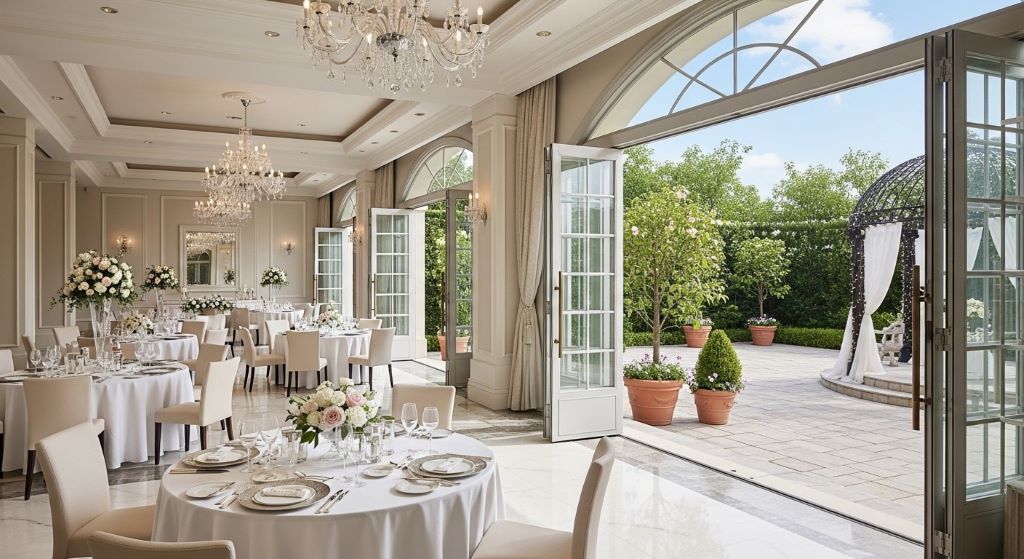
Indoor-outdoor venues with seamless transitions offer maximum flexibility. Properties featuring adjacent indoor and outdoor spaces allow quick ceremony relocations. Additionally, these venues maintain aesthetic consistency between locations.
Ballrooms with large windows and natural light provide outdoor ambiance with indoor security. Floor-to-ceiling glass walls frame landscape views while protecting guests from elements. These spaces eliminate weather stress without sacrificing visual appeal.
Covered pavilions and permanent structures bridge indoor and outdoor preferences. These semi-protected spaces withstand light rain and provide shade during heat. However, verify whether pavilions include walls or clear panels for extreme weather protection.
All-weather venues like conservatories and greenhouses create botanical garden atmospheres with climate control. Glass structures surround guests with nature while maintaining comfortable temperatures. Therefore, these spaces deliver outdoor beauty without weather vulnerability.
Evaluating Venue Flexibility and Logistics
Tour venues during various weather conditions to assess realistic scenarios. A sunny day visit may not reveal drainage problems or temperature control issues. Schedule multiple visits during different weather patterns when possible.
Examine floor plans showing both primary and backup ceremony locations. Measure distances between spaces to evaluate transition feasibility. Additionally, consider guest comfort during potential relocations between areas.
Verify that backup indoor spaces accommodate your entire guest count comfortably. Some venues advertise indoor options but lack sufficient square footage for actual weddings. Calculate minimum space requirements of 15 to 20 square feet per guest.
Inquire about venue policies regarding last-minute weather decisions. Understand deadlines for committing to indoor versus outdoor setups. Moreover, clarify any additional fees associated with backup plan implementation.
According to The Knot, 40 percent of couples encounter unexpected weather on their wedding day, making backup plans essential rather than optional.
Assessing Covered Outdoor Options
Tented venues provide customizable weather protection with outdoor atmosphere. Modern tent technology includes climate control, lighting, and elegant finishes. These temporary structures create stunning spaces adapted to specific weather needs.
Verify whether venues include tenting in standard packages or charge separately. Tent rentals represent significant expenses, potentially adding thousands to budgets. Additionally, some properties prohibit tents due to ground conditions or restrictions.
Examine tent anchoring requirements and site preparation needs. Soft ground allows standard staking, while hard surfaces require weighted systems. Therefore, venue terrain directly impacts tent feasibility and costs.
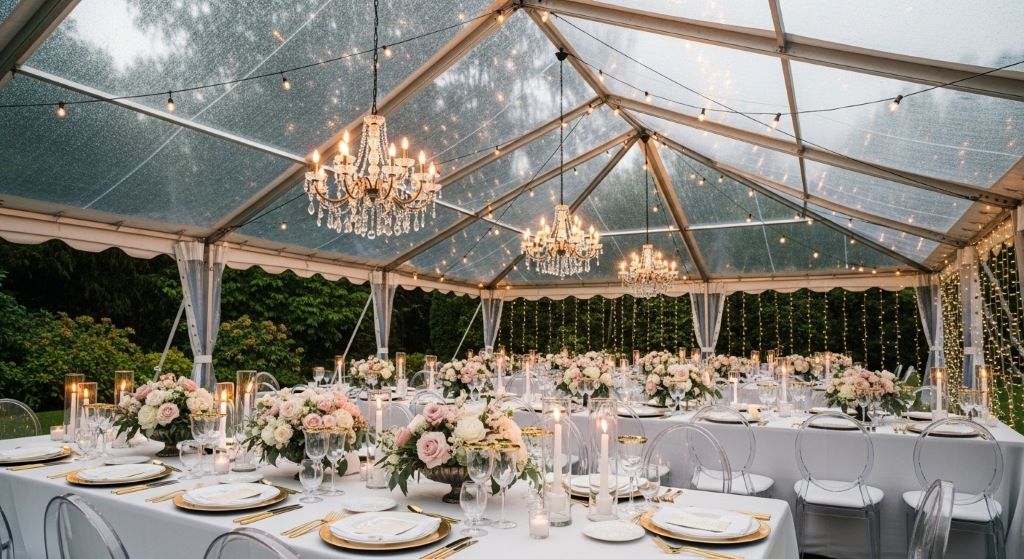
Consider clear-top tents that maintain open-air feelings while providing rain protection. These transparent structures showcase sky views and natural surroundings. However, they offer limited temperature control compared to opaque tents with climate systems.
Pergolas and permanent awnings deliver partial weather protection for cocktail hours or ceremonies. These structures shield guests from sun and light rain. Moreover, they photograph beautifully while adding architectural interest.
Investigating Climate Control Capabilities
Visit venues during extreme weather matching potential wedding day conditions. Summer site visits reveal air conditioning effectiveness, while winter tours test heating systems. Comfortable temperatures prove essential for guest enjoyment regardless of outdoor conditions.
Inquire about backup generators ensuring climate control during power outages. Severe weather often causes electrical problems at crucial moments. Additionally, generator capacity should support full venue operations, not just emergency lighting.
Check whether outdoor spaces include heaters, fans, or misters for temperature management. These amenities extend comfortable outdoor time during mild weather challenges. Therefore, venues with multiple climate control options provide superior flexibility.
Understand minimum and maximum temperature thresholds where venues become uncomfortable. Some historic buildings lack modern HVAC systems, limiting comfort during extreme weather. Conversely, fully climate-controlled venues maintain consistent conditions year-round.
Considering Seasonal Timing and Flexibility
Off-season dates often feature more stable weather patterns and lower venue costs. Late spring and early fall traditionally offer pleasant conditions in most regions. However, these popular periods also attract higher demand and premium pricing.
Monsoon seasons, hurricane patterns, and winter storm timings vary by location. Research regional weather calendars identifying high-risk periods. Additionally, some couples choose dates outside peak weather disruption windows.
Weekend wedding dates may offer less flexibility than weekday celebrations. Venues often accommodate last-minute changes more easily during slower periods. Therefore, Tuesday through Thursday weddings sometimes provide better weather adaptation options.
Consider booking venues allowing date changes without penalties. Some contracts include weather-related postponement clauses protecting couples from extreme conditions. Moreover, understanding cancellation policies provides peace of mind during planning.
Examining Accessibility and Guest Comfort
Paved pathways connecting ceremony and reception spaces protect guests during rain. Gravel and grass paths become muddy and hazardous in wet conditions. Additionally, elderly guests and those with mobility challenges struggle with uneven terrain.
Verify adequate covered drop-off areas near venue entrances. Guests appreciate protection from elements when arriving and departing. Moreover, covered areas reduce dress and suit damage from weather exposure.
Assess parking proximity to venue buildings during site visits. Long walks from parking to ceremonies become problematic during extreme heat, cold, or precipitation. Therefore, valet services or shuttle transportation may prove necessary.
Ensure venues provide sufficient coat check space for cold-weather weddings. Guest comfort requires secure storage for bulky winter garments. Additionally, adequate restroom facilities become crucial when weather keeps guests primarily indoors.
Reviewing Venue Track Records and Reviews
Research online reviews specifically mentioning weather-related experiences. Previous couples often detail how venues handled rain, heat, or cold challenges. These firsthand accounts reveal venue flexibility and staff responsiveness.
Request references from couples who experienced weather complications at the venue. Direct conversations provide detailed insights into contingency plan execution. Additionally, ask about hidden costs emerging during weather-related changes.
Check social media for tagged photos from various weather conditions. Real wedding images show how venues appear during rain, wind, or extreme temperatures. Therefore, these photos provide realistic expectations beyond professional marketing materials.
Investigate venue insurance requirements and weather-related liability coverage. Understanding insurance expectations helps couples secure appropriate event coverage. Moreover, some venues require specific weather-related protections in rental agreements.
According to Brides, successful weather contingency planning begins during venue selection rather than months later when options become limited.
Planning for Photography Considerations
Identify indoor locations with excellent natural light for photography backup plans. Large windows, skylights, and neutral wall colors create beautiful portrait settings. Additionally, these spaces reduce photographer stress during sudden weather changes.
Discuss timeline flexibility with photographers allowing weather-dependent decisions. Experienced photographers suggest optimal shooting times based on forecasts and venue characteristics. Therefore, building schedule flexibility prevents rushed or missed photo opportunities.
Consider venues with covered outdoor areas providing rain protection during portraits. Porches, arcades, and covered bridges offer architectural interest while shielding from precipitation. Moreover, these transitional spaces photograph beautifully in various conditions.
Evaluate indoor ceremony spaces for photographic quality beyond weather backup purposes. These locations should feature attractive backgrounds and adequate lighting for professional images. However, avoid spaces with distracting elements or poor acoustics.
Budgeting for Weather-Related Contingencies
Include weather backup costs in initial venue budgets rather than treating them as extras. Tent rentals, additional lighting, heating or cooling, and layout changes require financial planning. Additionally, last-minute changes typically cost more than advance arrangements.
Request itemized quotes showing costs for various weather scenarios. Transparent pricing helps couples make informed decisions about venue investments. Therefore, hidden fees for weather accommodations should raise concerns about venue transparency.
Consider wedding insurance covering weather-related cancellations or postponements. Policies vary in coverage amounts and qualifying conditions. Moreover, insurance provides financial protection against significant weather-related losses.
Allocate budget flexibility for guest comfort items like umbrellas, blankets, or fans. These small touches demonstrate hospitality while managing weather impacts. However, many venues provide these amenities as part of their service.
Communicating Weather Plans to Guests
Create wedding websites clearly explaining venue layouts and weather contingency plans. Guests appreciate knowing backup arrangements in advance. Additionally, provide guidance about appropriate attire for potential weather conditions.
Send weather updates via email or text as wedding dates approach. Keep guests informed about forecast changes affecting ceremony locations or timing. Therefore, communication reduces confusion and helps guests prepare appropriately.
Include weather-appropriate suggestions in invitation suites or detail cards. Recommend footwear choices, suggest layers for temperature changes, or mention shade availability. Moreover, these details help guests pack appropriately for destination weddings.
Assign wedding party members or coordinators to guide guests during weather-related transitions. Clear communication prevents chaos when moving ceremonies indoors or adjusting timelines. Additionally, visible direction-givers reduce guest anxiety during changes.
Conclusion
Choosing wedding venues for unpredictable weather requires careful evaluation of flexibility, backup options, and climate control capabilities. Successful venue selection prioritizes spaces offering seamless indoor-outdoor transitions, comprehensive contingency plans, and guest comfort features. Therefore, couples must research regional weather patterns, examine venue track records, and budget for weather-related accommodations. Understanding venue policies, communication strategies, and accessibility features ensures beautiful celebrations regardless of conditions. The investment in weather-appropriate venue selection protects both financial resources and emotional wellbeing throughout the planning process and wedding day itself.
Frequently Asked Questions
How far in advance should I make weather-related venue decisions?
Most venues require weather decisions 24 to 72 hours before weddings, though policies vary significantly. Discuss decision deadlines during initial venue tours and include them in contracts. Earlier decisions help vendors prepare appropriate setups without rushing.
Should I pay extra for weather backup options at my venue?
Weather backup options represent worthwhile investments protecting significant wedding expenses. Indoor space access, tenting, or climate control capabilities justify premium pricing. However, ensure quoted prices include comprehensive backup features rather than paying separately for each element.
What questions should I ask venues about their weather contingency plans?
Ask about indoor capacity matching guest counts, decision-making timelines, additional fees for backup plans, and staff experience managing weather changes. Additionally, request to see backup spaces during tours and review contracts for weather-related clauses.
How does wedding insurance work for weather-related issues?
Wedding insurance covers financial losses from extreme weather causing cancellations or significant disruptions. Policies typically require specific conditions like hurricanes or blizzards rather than general rain. Review coverage details carefully as policies vary in qualifying events and reimbursement amounts.
Can I have a beautiful outdoor wedding despite unpredictable weather?
Yes, many couples successfully host outdoor weddings with proper planning and flexible backup arrangements. Choose venues with attractive covered areas, develop comprehensive contingency plans, and maintain positive attitudes. Additionally, some weather conditions create uniquely memorable and photogenic celebrations.
Related Topics:
Choosing the Perfect Venue for Private Celebration
How to Personalize Destination Wedding for an Unforgettable Experience