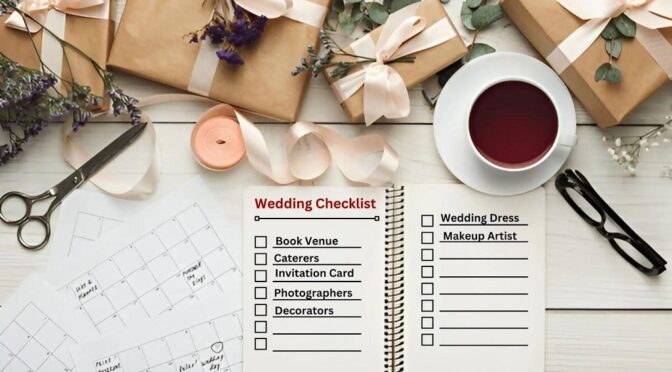
Planning a wedding is exciting—but let’s be real—it can quickly spiral into chaos without the right system in place. Between managing guest lists, organizing timelines, and communicating with multiple vendors, the stress can snowball. That’s where a detailed wedding vendor checklist for stress-free planning becomes your best friend. This guide breaks down what you need, why it matters, and how to tackle every aspect like a pro.
Why You Need a Wedding Vendor Checklist

According to a Zola wedding survey, 72% of couples describe wedding planning as more stressful than buying a house. The reason? Lack of structure and miscommunication with vendors. A comprehensive checklist ensures that no detail is overlooked, timelines are respected, and your budget stays in check. Without a strategy, even the smallest mishap—like a forgotten photographer deposit—can derail your entire day.
Think of your checklist as the central nervous system of your wedding. It keeps everyone—especially you—on track. Plus, it acts as a communication tool you can share with your partner, planner, or coordinator.
The Core Wedding Vendors You Must Book First
The golden rule is to book vendors that secure only one wedding per day first. These usually include:
- Venue: This sets the stage for your entire wedding. Popular venues book up 12–18 months in advance.
- Photographer/Videographer: Talented professionals often schedule 9–12 months out.
- Caterer: Essential for both logistics and guest experience. Often tied to the venue.
- Planner/Coordinator: A full-service planner helps from day one; a coordinator manages day-of logistics.
Booking these vendors early avoids last-minute scrambles and often gives you leverage for better pricing or package customization. Planners recommend setting a firm budget before locking in any of these to avoid overspending early.
Secondary Vendors: Don’t Delay These
While they may not be as time-sensitive as your venue or photographer, these vendors also book out quickly:
- Florist: Book 6–9 months out. Good florists help shape your wedding’s visual identity.
- Entertainment (DJ/Band): Choose based on your vibe. A live band adds glamor; a DJ keeps energy high.
- Hair & Makeup: Trials should happen a few months in advance. Book early if you want a specific artist.
- Officiant: If using a friend or family member, confirm early. If hiring a pro, check availability 6 months out.
Florals and entertainment are often underestimated. According to The Knot, couples who cut corners here tend to regret it most. Skimping on professional services to save costs often leads to poor execution or last-minute panic.
Specialty Vendors: Finalize the Extras
Once your main vendors are secured, focus on the special touches that reflect your personal style:
- Cake Baker: Meet 4–6 months in advance. Tastings are crucial—flavor matters as much as design.
- Stationer: Invitations, signage, and menus create a cohesive theme.
- Transportation: Book early if shuttling guests.
- Rentals (furniture, linens, decor): Align these with your venue and theme.
The beauty is in the details. Great weddings often stand out because of the atmosphere—unique rentals or custom invites offer that wow factor. But these extras also add up fast. Use your checklist to monitor costs and make trade-offs that fit your priorities.
Questions to Ask Every Vendor
Rushing into contracts leads to regrets. These core questions help you vet vendors effectively:
- What’s your backup plan in case of emergency?
- Are you insured?
- Can you provide recent client reviews or a portfolio?
- How do you structure your payment schedule?
- What’s included—and not included—in your quote?
Many couples assume things like travel fees or setup time are included, only to face surprise charges. Don’t skip the fine print. Always request a signed contract with clearly outlined deliverables.
The Role of Technology in Wedding Planning
Modern weddings benefit from planning apps like WeddingWire and Zola. These platforms offer vendor reviews, planning checklists, and budget tracking tools all in one place. According to Brides.com, couples who use apps are 25% more likely to stay on budget and meet deadlines.
Additionally, shared digital checklists (Google Sheets or Trello boards) allow couples and planners to collaborate in real time. These tools minimize miscommunication and streamline the planning process.
Budgeting for Vendors Without Breaking the Bank
The average U.S. wedding costs around $30,000, with vendor services making up nearly 70% of that, based on The Knot 2023 Real Weddings Study. However, strategic choices can help you save:
- Opt for off-season dates for better vendor rates.
- Choose a weekday or Sunday wedding.
- Bundle services—many photographers also offer video, for example.
- Prioritize spending on elements that matter most to you.
Vendors often provide tiered packages. Don’t feel pressured to pick the priciest. Understand your needs first, then scale up only if it fits.
How to Stay Organized Through It All
Checklists are only useful if you actually use them. Here’s how to keep things tight:
- Create a vendor timeline, from inquiry to contract to final payment.
- Store all contracts, invoices, and communications in one shared folder.
- Review your checklist monthly, then weekly, as the big day nears.
- Communicate clearly. Confirm every vendor 30 days before the wedding.
Pro tip: Set calendar reminders for final payments and follow-ups. This prevents last-minute scrambling and reduces stress.
Frequently Asked Questions About Wedding Vendor Checklists
When should I start booking wedding vendors?
Begin 12–18 months before the wedding. Start with venue and photographer first.
Is a wedding planner necessary if I have a checklist?
A planner streamlines everything, especially if you’re busy. However, a solid checklist can work if you’re organized.
How do I choose between similar vendors?
Compare pricing, style, and communication. Trust your gut—connection matters just as much as quality.
Can I negotiate with vendors?
Yes, but respectfully. Ask about customized packages or off-season rates rather than pushing for steep discounts.
What happens if a vendor cancels last minute?
Always ask about backup plans. Some contracts include replacements. Planners also have wide vendor networks for emergencies.
Do I need to tip vendors?
Tipping is customary but not mandatory. Budget around 10–20% for services like catering, makeup, and music.
Should I insure my wedding?
Yes. Wedding insurance protects your investment against vendor no-shows or cancellations due to extreme weather.
Read More Also: Bridal Skincare Routine Before the Big Day
Final Thought
A wedding should be joyful—not overwhelming. A carefully crafted wedding vendor checklist for stress-free planning can transform a chaotic process into a clear, manageable journey. By securing vendors early, staying organized, and asking the right questions, you gain control over your big day. Use tech tools to your advantage and don’t be afraid to lean on experts where needed. Most importantly, remember the goal: a celebration of love, surrounded by the people who matter most. The planning will pass—but the memories you create will last a lifetime.